Can Aftermarket Parts Void Your Car Warranty? Know Your Rights
Don't let a dealership scare you into overpaying for repairs. Learn how the Magnuson-Moss Warranty Act protects your right to use independent shops and aftermarket parts.
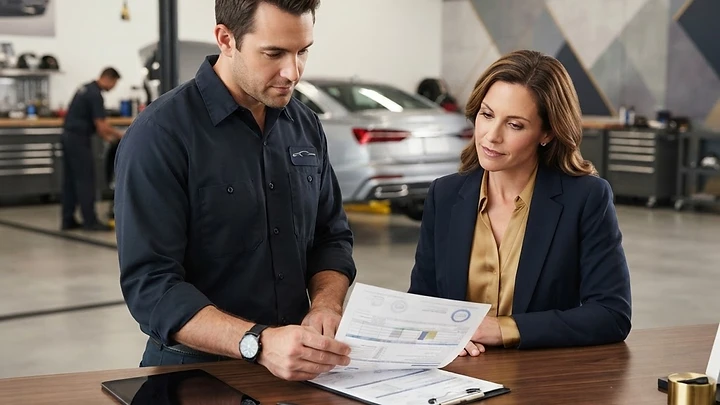
If you have ever walked into a dealership service center, you might have heard the ominous warning: 'If you don't use our official parts or service, you will void your warranty.' It is a common tactic that leaves many car owners feeling trapped, forced to pay premium prices for routine maintenance just to keep their coverage intact. However, as a consumer, you have federal protections that prevent manufacturers from holding your warranty hostage. ## The Truth About 'Voiding' Your Warranty The Magnuson-Moss Warranty Act is a federal law designed to protect consumers from deceptive warranty practices. One of its most important features is the 'anti-tying' provision. This rule explicitly prohibits manufacturers from conditioning your warranty coverage on the use of a specific brand of part or a specific service provider. In plain English: a manufacturer cannot void your entire warranty simply because you installed an aftermarket air filter, used non-OEM brake pads, or had your oil changed at a local independent shop. ## The Burden of Proof Is on Them If a dealership denies a warranty claim, they cannot simply point to an aftermarket part and walk away. Under the law, the manufacturer must prove that the specific aftermarket part or the independent service actually caused the failure you are trying to get repaired. If your transmission fails, they cannot deny the claim just because you installed an aftermarket stereo system. There must be a direct, causal link between the modification and the defect. If they cannot prove that your choice of parts or service caused the damage, they are legally obligated to honor the warranty. ## How to Handle a Wrongful Denial If you find yourself in a dispute with a dealer, stay calm and document everything. Dealers are often just following internal policies that may not align with federal law. If they refuse a claim, ask for the denial in writing, specifically requesting the reason for the refusal. Often, when you politely mention the Magnuson-Moss Warranty Act and ask for a written explanation of how your aftermarket part caused the specific failure, the dealership may reconsider its position. If they persist, you can escalate the issue to the manufacturer’s corporate office, which often overrules local dealers to protect their brand reputation. ## What to do next - Keep detailed records of all maintenance and repairs, including receipts and invoices, regardless of where the work was performed. - If a dealer denies a claim, ask them to provide a written explanation detailing exactly how your aftermarket part or independent service caused the specific defect. - Reference the Magnuson-Moss Warranty Act when speaking with service managers; it is a powerful tool for asserting your rights. - If the dealer refuses to budge, contact the manufacturer’s corporate customer service department to escalate your claim. - If you believe your rights are being violated, gather your documentation and seek professional legal guidance to review your options. This article is general information, not legal advice. No attorney-client relationship is created by reading it. For a review of your specific situation, request a free attorney review through the Ginsburg Law Group platform.