Can Aftermarket Parts Void Your Car Warranty? Know Your Rights
Don't let dealers scare you into overpaying for repairs. Learn how the Magnuson-Moss Warranty Act protects your right to use aftermarket parts and independent mechanics.
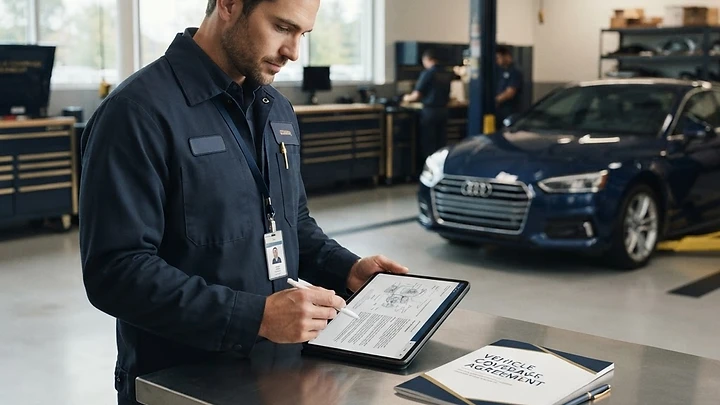
The Myth of the Voided Warranty
If you have ever walked into a dealership service center, you might have heard a service advisor drop a chilling line: "If you use that aftermarket part or get your oil changed at an independent shop, you will void your factory warranty." It is a common tactic, but more often than not, it is a bluff. Under federal law, your manufacturer cannot simply void your entire warranty because you chose to save money on parts or service.
Understanding the Magnuson-Moss Warranty Act
The primary shield protecting you is the Magnuson-Moss Warranty Act. This federal law, enforced by the Federal Trade Commission, includes an "anti-tying" provision. This rule prevents manufacturers from conditioning your warranty coverage on the use of specific brands of parts or services provided by their own authorized dealers. In plain English, the manufacturer cannot force you to buy their branded parts or use their service department to keep your warranty valid.
The Burden of Proof is on Them
Many consumers mistakenly believe that the mere presence of an aftermarket part gives a dealer the right to deny a warranty claim. This is false. If a dealer wants to deny a repair under warranty, they must prove that the specific aftermarket part or the independent service you received actually caused the failure.
For example, if you install an aftermarket air filter and your transmission fails, the manufacturer cannot deny your transmission repair. They would have to demonstrate that the air filter directly caused the transmission to malfunction. If they cannot prove that link, they are legally obligated to cover the repair under the terms of your warranty. If a dealer refuses to honor your claim, they should provide a written explanation detailing exactly why they believe your modification caused the damage.
What to do next
If you find yourself facing a wrongful warranty denial, follow these steps to protect your rights:
- Keep detailed records: Save all receipts for parts and service, including dates and mileage, to prove your vehicle was properly maintained.
- Ask for a written denial: If a dealer refuses a claim, politely ask for a written explanation of why the warranty is being denied and how your specific aftermarket part or service caused the failure.
- Escalate the issue: If the dealer remains firm, contact the manufacturer’s corporate customer service department. Often, corporate offices will overrule a local dealer’s decision to avoid bad publicity or legal trouble.
- Reference the law: Politely inform the service manager that you are aware of your rights under the Magnuson-Moss Warranty Act and that you expect them to honor the warranty unless they can prove the aftermarket part caused the specific defect.
- File a complaint: If you are still being stonewalled, file a complaint with the Federal Trade Commission or your state’s Attorney General’s office.
This article is general information, not legal advice. No attorney-client relationship is created by reading it. For a review of your specific situation, request a free attorney review through the Ginsburg Law Group platform.