Can a Dealer Sell a Car With an Open Recall? What You Need to Know
Buying a car? Don't get caught with an unsafe vehicle. Learn the critical difference between new and used car recall laws and how to protect yourself before you sign the paperwork.
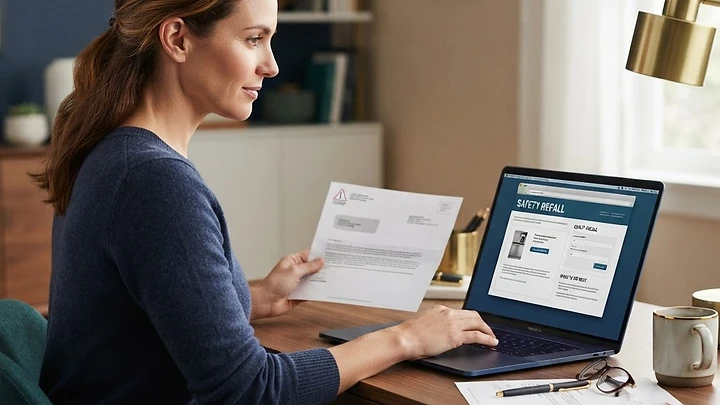
The Hidden Danger in the Used Car Lot
When you walk onto a dealership lot, you naturally assume the vehicle you are looking at is safe to drive. Unfortunately, that isn't always the case. While we often hear about massive safety recalls in the news, many consumers are shocked to learn that there is a significant loophole in the law regarding used vehicles. If you are in the market for a car, understanding your rights regarding safety recalls is one of the most important steps you can take to protect your family.
New vs. Used: The Legal Divide
It is vital to distinguish between buying a brand-new vehicle and a used one. Under the National Traffic and Motor Vehicle Safety Act, it is strictly illegal for a franchised dealership to sell a new vehicle with an open safety recall [3, 9, 10]. If a recall is issued while a new car is sitting on the lot, the dealer is legally required to ground that vehicle and complete the repair before handing over the keys [2, 9].
However, the rules for used cars are much looser. In most states, there is no federal law that prohibits a dealer from selling a used vehicle with an unrepaired safety recall [3, 4, 10]. Furthermore, dealers are often not legally required to disclose the existence of an open recall to you before the sale [1, 4]. This means you could unknowingly drive off the lot in a vehicle with a known safety defect, such as a faulty airbag or a fire hazard, simply because the dealer wasn't obligated to fix it first [1, 7].
Why You Must Be Your Own Advocate
Because the law doesn't always force dealers to act, the responsibility falls on you. A recall is a mandatory safety action issued by the manufacturer or the National Highway Traffic Safety Administration (NHTSA) to address a defect that poses an unreasonable risk to safety [5, 6, 7]. This is different from a Technical Service Bulletin (TSB), which is essentially a manufacturer's guide for technicians on how to fix non-safety-related issues [6, 7].
If you are buying a used car, you have the same access to recall data as the dealer does [4]. Never rely solely on a salesperson's word that a car is "safe" or "checked out." Always perform your own due diligence before signing any purchase agreement.
What to do next
- Get the VIN: Before you visit a dealership or meet a private seller, ask for the 17-character Vehicle Identification Number (VIN) [6, 8].
- Run a Search: Visit the official NHTSA recall lookup page and enter the VIN [8]. This will show you if there are any open safety recalls for that specific vehicle [6].
- Ask for Proof: If a seller claims a recall has been fixed, ask for written documentation, such as a repair order or a service record from a franchised dealership [6].
- Negotiate or Walk Away: If you find an open recall, ask the dealer to have the repair completed at an authorized service center before you finalize the purchase [6]. If they refuse, consider whether the safety risk is worth the deal.
- Check for "Stop Drive" Notices: If your search reveals a "Stop Drive" recall, do not operate the vehicle under any circumstances until the repair is performed, as these are the most serious safety warnings [5].
This article is general information, not legal advice. No attorney-client relationship is created by reading it. For a review of your specific situation, request a free attorney review through the Ginsburg Law Group platform.